


Infectious Diseases
Infections are caused by exposure to or contact with pathogens such as viruses, bacteria, fungi, and parasites. Some pathogens are communicable, meaning they can be spread between people or be acquired from contact with contaminated surfaces. Communicable diseases are all infectious, but not all infectious diseases are communicable. Infections can also be acquired from pathogens in the worksite environment. These include those that live in soil or dust, water, insects, and some animals.
Communicable Diseases

Communicable diseases are caused by pathogens that can be transmitted from person to person. Examples include respiratory illnesses such as influenza and COVID-19 and diseases transmitted by blood, body fluids, or contact with contaminated surfaces or objects. In addition, eating or drinking contaminated food or water can cause foodborne illnesses that can be spread to others.
Environmental Diseases
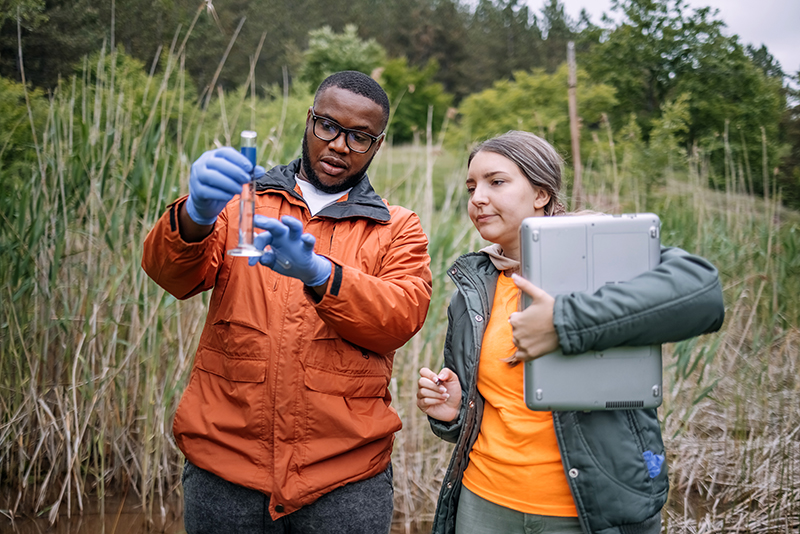
Environmental infectious diseases are not spread directly from person to person but are acquired from pathogens found outdoors in the air, soil, water, and the animals and insects that dwell there. Environmental infections can also be acquired from built and managed workplaces ranging from farms to office spaces.
Communicable Diseases
Respiratory Diseases

Respiratory infections are most often acquired from breathing in pathogenic particles or respiratory droplets that are expelled from people with communicable infections. Respiratory diseases can also be spread by touching contaminated surfaces and rubbing your eyes or nose or failing to wash your hands before eating. Respiratory diseases are commonly acquired indoors but can be spread in any workplace with two or more workers or customers.
Bloodborne Diseases
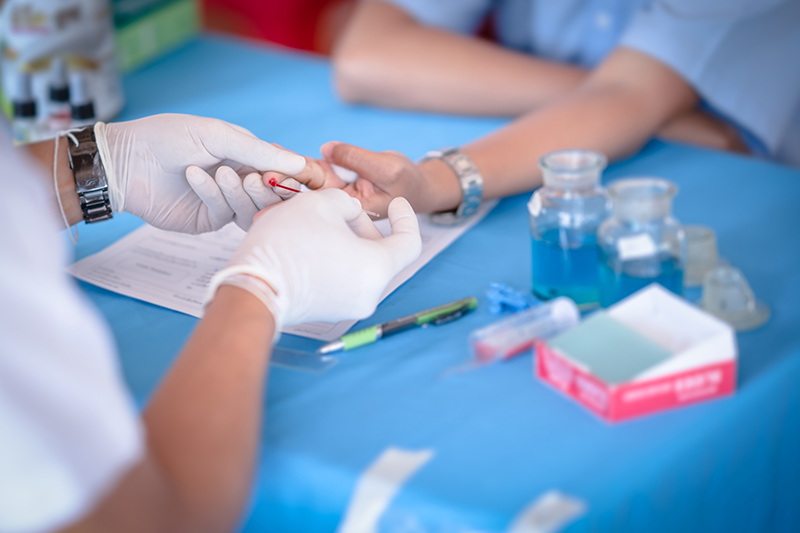
Bloodborne diseases that are spread from person to person by transfer of pathogens in blood and body fluids containing blood. These diseases are most common in settings where exchange of blood and body fluid may occur. Healthcare and laboratory workers, and workers in daycare centers and other community settings are at highest risk of exposure.
Foodborne Diseases
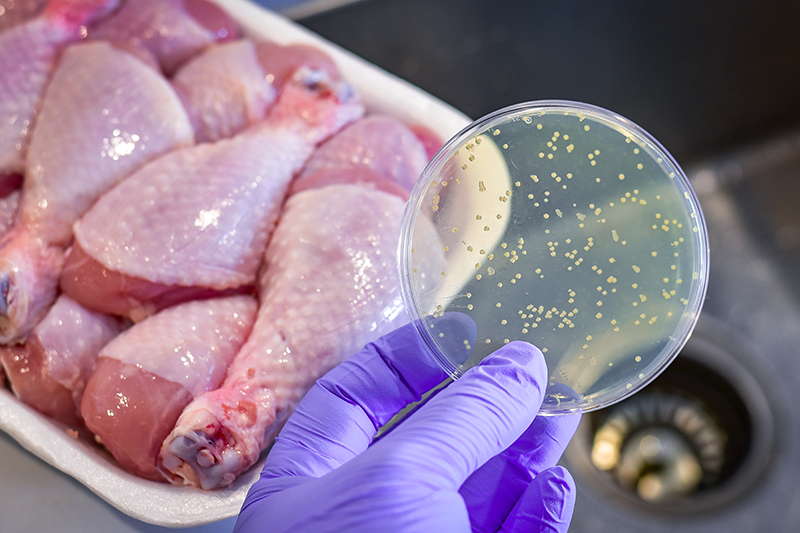
Illnesses are acquired from ingesting food or beverages contaminated with pathogens can often be spread to others via the fecal oral route. Restaurant workers, food processers and servers, child and healthcare workers, and those who are served meals at work are most at risk of exposure.
Environmental Diseases
Soil and Waterborne Diseases
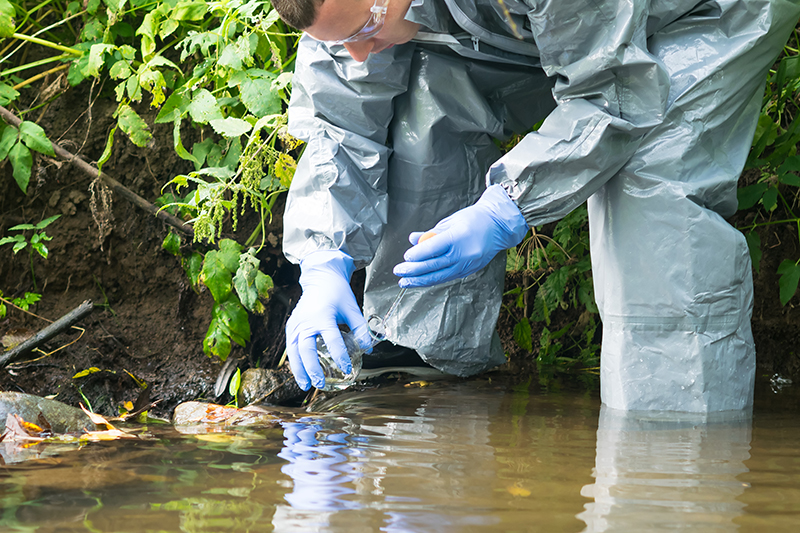
Outdoor workers may be exposed to pathogens in soil that are carried by the wind. Lifeguards, fisherman, river guides, and those who work in or near fresh or salt water may be exposed to waterborne diseases.
- Soil-borne Diseases
- Waterborne Diseases
Vector-borne Diseases
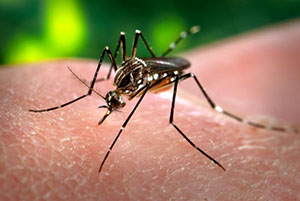
Mosquitos, ticks, fleas and other arthropod insects carry diseases that can be spread to humans. Animal handlers and outdoor workers are likely to be exposed to these vectors.
Zoonotic Diseases

Zoonotic diseases are spread from animals to humans; most are rarely, if ever, spread to other humans. Veterinary and farm workers, animal handlers, and wildlife and game workers are at higher risk of exposure to these diseases.
- Veterinary and Livestock Diseases
- Diseases of Wildlife and Vermin