


QuickTakes Newsletter
October 14, 2026
NEW ALLIANCE AIMS TO PREVENT SERIOUS INJURIES AND FATALITIES
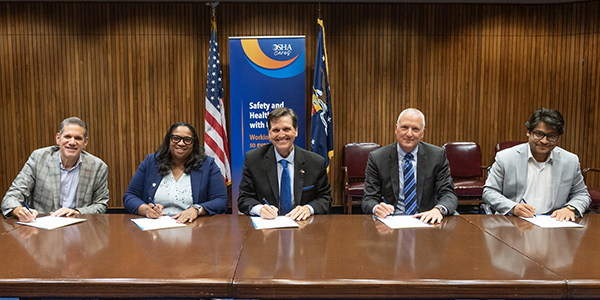
Last month, OSHA joined the American Industrial Hygiene Association, American Society of Safety Professionals, National Safety Council, and the Construction Safety Research Alliance in a new alliance focused on preventing serious injuries and fatalities, referred to as SIFs.
Through the alliance, the organizations will work together to develop shared messaging, educational resources, and effective training programs that will raise awareness and help workplaces better identify and prevent incidents most likely to result in life-altering injuries and fatalities. While OSHA has longstanding collaborative relationships with the first three alliance partners, the Construction Safety Research Alliance brings additional expertise through its research-based work on SIF prevention in the construction industry.
Read the alliance agreement for more details and how this collaboration could impact our shared goal to ensure that every worker returns home safe at the end of their shift.
PREPAREDNESS SAVE LIVES
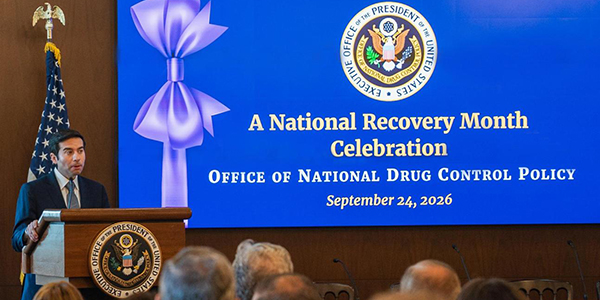
Opioid emergencies can happen anywhere, including at work. Being prepared and knowing how to respond can help save a life. As part of the Administration's Great American Recovery Initiative, the Secretary of Labor Keith Sonderling announced a new fact sheet at the White House to help employers recognize and rapidly respond to opioid-related overdose emergencies in the workplace.
The Opioid Overdose Rescue with Reversal Medications provides practical information that focuses on empowering workplaces to recognize the signs of an overdose and act immediately.
The fact sheet highlights key opioid overdose preparedness strategies, including:
- Keep lifesaving FDA-approved reversal medications – such as naloxone or nalmefene – readily available. These safe, life-saving medications quickly restore normal breathing and generally have no effect if opioids are not present.
- Treat overdose kits like first aid by storing them in highly visible, easily accessible locations.
- Educate workers on how to identify critical symptoms of an overdose, such as slow or stopped breathing, blue lips or skin, pinpoint pupils, or unresponsiveness.
- Prepare for rapid action in an emergency by training workers to administer the medication, safely position the individual, and provide supportive care while waiting for first responders.
OSHA's guidance emphasizes that while these medications are critical, their effects are temporary and do not replace emergency services. Always call 911 immediately when an overdose is suspected so the person can receive professional medical care.
TRAINING GRANTS AWARDED
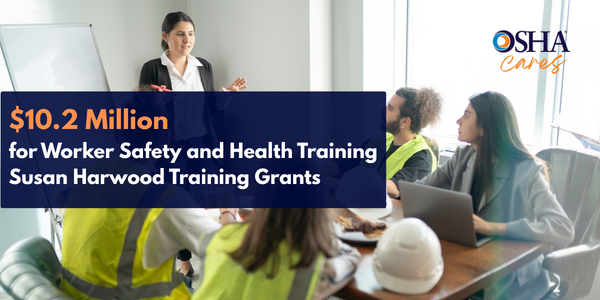
OSHA has awarded approximately $10.2 million in grant funding to 67 non-profit organizations across the nation to support education and training to help workers and employers recognize serious workplace hazards, practice injury prevention, and understand workers’ rights and employers’ responsibilities under federal law.
Funded through the Susan Harwood Training Grant Program, the grants will support educational programs that assist workers and employers in identifying and preventing workplace hazards, or the development of quality classroom-ready training and educational materials. The program aims to advance worker safety and health in small businesses with an emphasis on industries with high injury, illness, and fatality rates. Read the news release for more information.
DATES TO REMEMBER

October: Fire Prevention Month and Protect Your Hearing Month
October 15: Great Shake Out (Earthquake Drills)
October 20: Passport to Safety and Health webinar: Fire Safety in the Workplace
October 20: Respirable Crystalline Silica in Construction webinar (Presented by CPWR)
Do you have a public safety and health event, training, or webinar that you'd like to have featured in QuickTakes? Please share event information with us including the date, time, location, and a short description.
A CAREER PROTECTING WORKERS
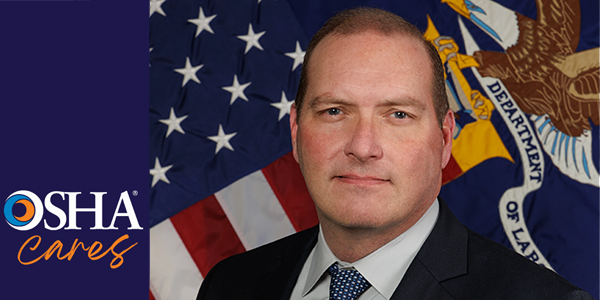
Join us in welcoming Prentice Cline as OSHA's new career Deputy Assistant Secretary. Throughout his career, he has served in both field and national office positions, including as a compliance safety and health officer, supervisor, area director, Director of OSHA's Office of General Industry Safety, and most recently, Acting Deputy Director of the Directorate of Enforcement Programs.
His broad experience spans enforcement, compliance assistance, policy, and management. Over the past four years, Prent has helped lead a wide range of enforcement matters, including agency enforcement directives and policies, emphasis programs, letters of interpretation, and the review and approval of significant and novel enforcement cases.
Prent's extensive experience and understanding of OSHA's mission will be a tremendous asset as we continue working together to protect America's workers and strengthen workplace safety and health.
SIX KEYS TO FIRE SAFETY
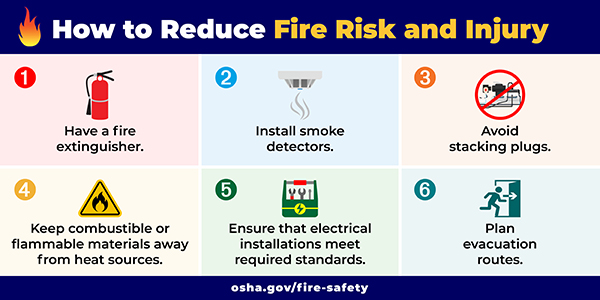
Fire safety is a shared responsibility at a worksite. Have a fire protection plan in place and practice it regularly so you are prepared to act quickly if an emergency occurs. A plan should include training for everyone and outline the assignments of key personnel in the event of a fire and provide an evacuation plan for workers on the site. Visit OSHA's fire safety webpage for more information on recognizing and evaluating hazards and possible solutions.
How to Reduce Fire Risk and Injury
- Have a fire extinguisher.
- Install smoke detectors.
- Avoid stacking plugs.
- Keep combustible or flammable materials away from heat sources.
- Ensure that electrical installations meet required standards.
- Plan evacuation routes.
osha.gov/fire-safety
KNOW BEFORE YOU ENTER

On March 15, 2026, two workers were fatally injured, after entering a confined space while working on a barge in Prince of Whales Island, Alaska.
OSHA's inspection found that Hamilton Construction LLC failed to properly inspect and test confined spaces before allowing their workers to enter and protect them from oxygen-deficient space. OSHA also cited Hamilton for failing to provide required training, arrange for prompt rescue services, as well as hazards involving unguarded openings and a lack of personal flotation devices for workers exposed to falling overboard.
In September, Hamilton Construction LLC agreed to correct all hazards and provide additional training on confined space safety and personal flotation devices. The company also agreed to provide formal safety training for its designated shipyard competent person.
This tragedy is a good reminder that confined spaces can become deadly in seconds. Before any worker enters a confined space, identify and test the space, control hazards, train workers to recognize and respond to risks, and have an effective rescue plan in place. Awareness and preparation can prevent injuries and save lives.
Learn more about confined space safety and OSHA's free compliance assistance resources at OSHA.gov.
35 YEARS OF VPP EXCELLENCE
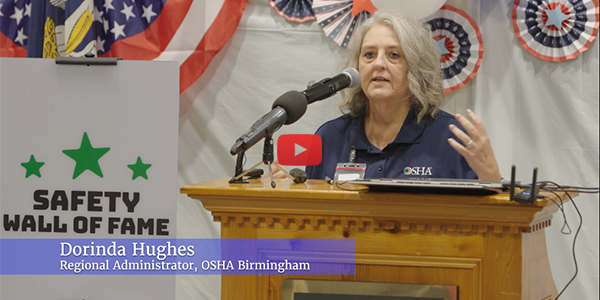
OxyChem's Convent, Louisiana, facility is celebrating 35 years as an OSHA Voluntary Protection Programs Star site. First approved in 1991, the facility has built a lasting culture where management leadership, employee involvement and continuous improvement go hand in hand.
Over the decades, OxyChem Convent has earned eight OSHA VPP reapprovals and maintained injury rates below national industry averages. Its long-standing participation also reflects a commitment to sharing best practices and helping strengthen safety beyond its own facility. Watch our video to hear from the OxyChem team about what 35 years of VPP means to them and how the program continues to shape the way they work.
YOUR RIGHT TO REPORT

A mechanic repeatedly informed their boss about helicopters that should be removed from flight status because repairs had not been completed according to manufacturer requirements and the inspection records were out of date. When the concerns went unaddressed, the mechanic reported the situation to the Federal Aviation Administration and was fired the next day.
The employee filed a whistleblower complaint with OSHA. Investigators found that the employer violated retaliation protections under the Wendell H. Ford Aviation Investment and Reform Act for the 21st Century (AIR21), which covers employees of air carriers, certain aircraft manufacturers and designers. OSHA ordered the employer to compensate the worker for lost wages because of the unlawful firing and provide a positive reference for a new job.
Workers have the right to report safety or other concerns without retaliation. Speaking up can help identify issues and protect others from future harm. If you believe your employer retaliated against you for exercising your legal rights, you can file a whistleblower complaint with OSHA.
YOU ASK…WE ANSWER
❓ Do I need to be certified to operate a forklift at work?
🗣️ Yes. Before you legally operate a forklift, also known as a powered industrial truck, you must have completed required training and successfully demonstrate that you can operate it safely.
Under OSHA's standard, training includes formal instruction, such as lectures or written materials, hands-on practical training with demonstrations and practice, and an evaluation of your performance operating the forklift in your workplace. Once those requirements are completed, your employer must certify that you have been properly trained and evaluated.
And remember: workers under age 18 cannot legally operate a forklift, even if they have received training and are certified.
If your employer is asking you to operate a forklift without the required qualifications, you have the right to raise your concern without retaliation.
WHAT’S TRENDING
🎙️ What's next for workplace safety?
In a special live episode of On the Safe Side podcast, Assistant Secretary David Keeling reflects on his first year leading OSHA, discusses key initiatives like OSHA CARES and Safety Champions, and shares his vision for the agency's future. Don't miss this candid conversation recorded live at the 2026 NSC Safety Congress & Expo.
PLATFORM TRANSITION NOTICE
We're transitioning OSHA QuickTakes to a new platform. During this changeover, our ability to deliver this newsletter and other email communications may be temporarily affected. In the meantime, please visit osha.gov/quicktakes to access the latest issues.
We apologize for any inconvenience and appreciate your patience. Thank you for staying engaged with workplace safety and health. We look forward to continuing to bring you the latest updates.
We appreciate your commitment to remain informed about what affects the safety and health of America’s workers.
You can also read this issue on OSHA’s website at osha.gov/quicktakes/101426.


Occupational Safety and Health Administration
200 Constitution Ave. NW, Washington, DC 20210
202-693-1999
You can unsubscribe from this list. (We will miss you!)
QuickTakes subscribers occasionally receive DYK? bulletins about a single timely topic, resource or upcoming event.