


QuickTakes Newsletter
July 09, 2026
HOLDING VIOLATORS ACCOUNTABLE
A sulfuric acid spill at an industrial facility in Houston became more than a cleanup- it became a reminder of why workplace safety matters. OSHA inspectors found that three employers exposed workers to hazardous chemical waste without training or properly fitted respirators during the cleanup, resulting in more than $3.5 million in proposed fines.
Following the spill, the facility owner, BWC Terminals LLC, contracted Coastal Environmental Solutions Inc. to handle the cleanup, which in turn hired subcontractor One Way Environmental LLC to provide laborers. All three companies were cited for OSHA violations that put the health and safety of workers at risk. The two contractors were found to have willfully exposed workers to these hazards.
The case reflects OSHA's targeted enforcement approach: focusing on employers who repeatedly put workers at risk while emphasizing hazard abatement and real-world practices that help prevent injuries before they happen. Read the news release for more information. Visit our website for information on keeping workers safe during hazardous waste cleanup operations.
KEEPING CONNECTED
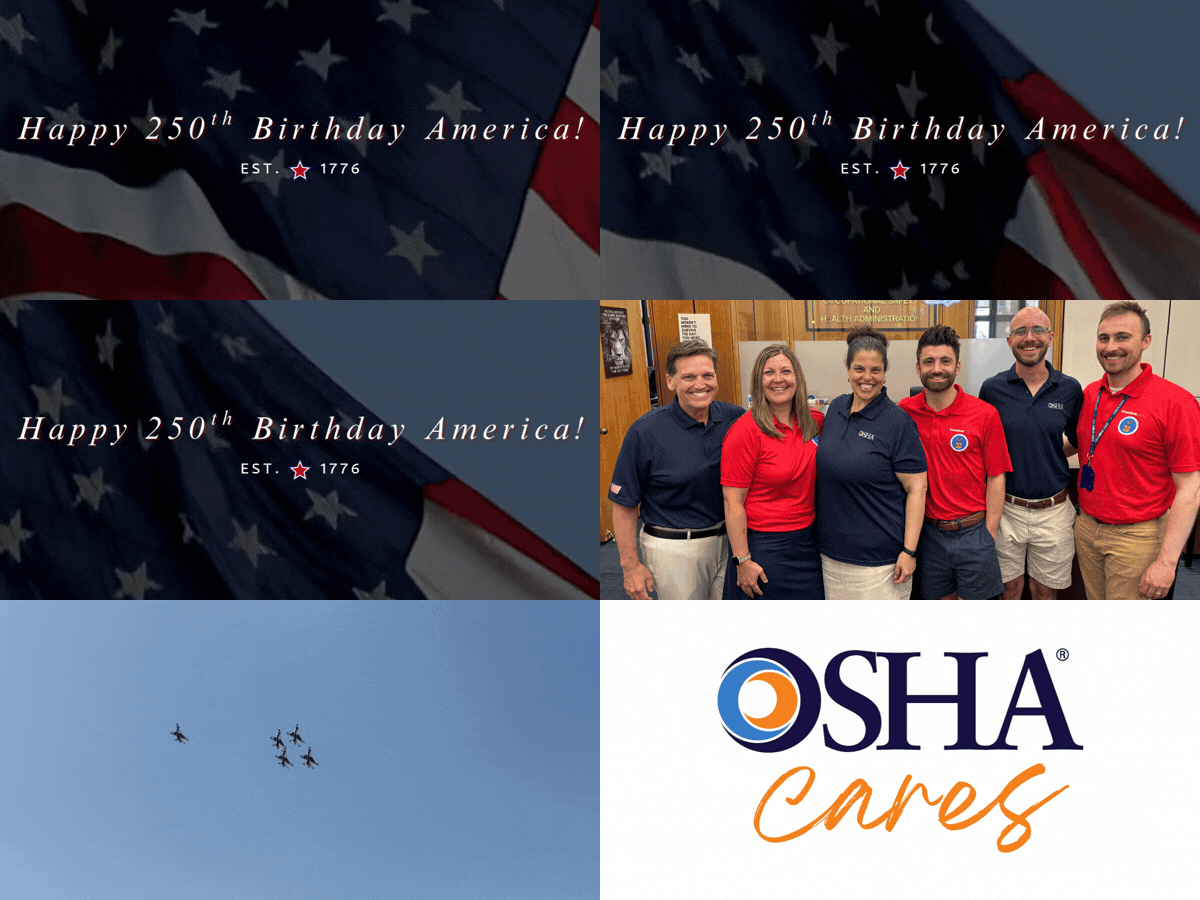
As part of the celebration of America's 250th anniversary, OSHA Assistant Secretary Dave Keeling, OSHA Principal Deputy Assistant Secretary Amanda Wood Laihow, and team staffed the Department of Labor pavilion on July 2 at the Great American State Fair in Washington, D.C., where they greeted visitors and answered questions about OSHA's efforts to protect America's workers. The event provided an opportunity to connect directly with people across the country, highlighting OSHA's role in protecting the nation's workforce as America celebrates 250 years and looks toward an even safer future.
TRAINING GRANTS AVAILABLE
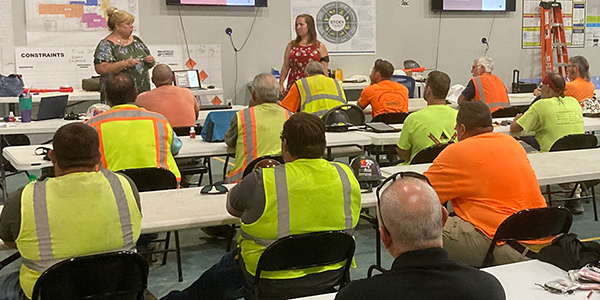
Safer workplaces start with education. That's why OSHA is making $12.7 million in Susan Harwood Training Grants available to support the delivery of training and education to help workers and employers identify and prevent workplace safety and health hazards. The grants aim to advance the job quality of the American workforce by providing instructor-led training opportunities for workers and employers in small businesses with an emphasis on industries with high injury, illness, and fatality rates.
Eligible applicants include non-profit organizations, entities that operate OSHA On-Site Consultation programs, and OSHA Training Institute Education Centers. Applications are due by11:59 p.m. EDT on July 31 through Grants.gov. Applicants must register with Grants.gov and the System of Award Management before applying. Read the news release for more information.
INSIDE OSHA'S VISION
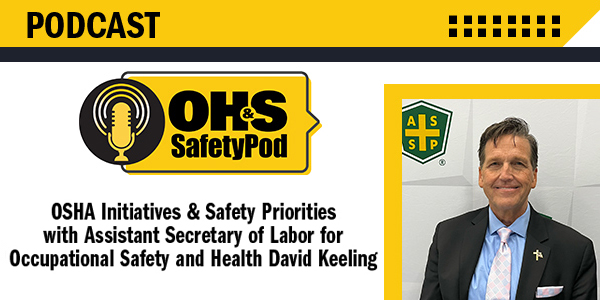
OSHA Assistant Secretary David Keeling discussed the agency's priorities and direction during a recent interview on the Occupational Health & Safety podcast. Keeling addressed topics including emerging technologies and AI in workplace safety, the Safety Champions Program, and OSHA's hiring initiative. Listen to the podcast to hear the full discussion.
DATES TO REMEMBER
July 9: Fall Protection Basics webinar
July16: Accommodation Solutions for Skilled Trades and Essential Occupations – live webcast
July 22-24: AGC Construction Safety & Health Conference
August 10-16: Safe & Sound Week
August 30-September 2: VPPPA Safety+ Symposium
Do you have a public safety and health event, training, or webinar that you'd like to have featured in QuickTakes? Please share event information with us including the date, time, location, and a short description.
SAFETY IN MOTION
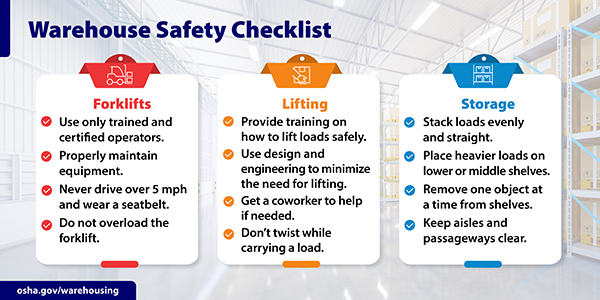
Warehouses keep products moving, but they also present some of the most common workplace hazards. From forklifts and material handling equipment to chemical exposure, slippery walkways, and robotics, workers can face risks every day. Many of the industry's most common injuries happen during lifting and lowering tasks or when workers are struck by forklifts and other material handling equipment. Understanding these hazards and taking steps to prevent them helps ensure everyone goes home safe. Visit our warehousing webpage for more resources and to learn more.
WAREHOUSE SAFETY CHECKLIST
Forklifts
- Use only trained and certified operators.
- Properly maintain equipment.
- Never drive over 5 mph and wear a seatbelt.
- Do not overload the forklift.
Lifting
- Provide training on how to lift loads safely.
- use design and engineering to minimize the need for lifting.
- Get a coworker to help if needed.
- Don't twist while carrying a load.
Storage
- Stack loads evenly and straight.
- Place heavier loads on lower or middle shelves
- Remove one object at a time from shelves
- Keep aisles and passageways clear.
osha.gov/warehousing
KEEP YOUR COOL

The summer heat has arrived, and with it comes the risk of heat illness for workers. As temperatures rise, it’s important to recognize the warning signs, including heavy sweating, dizziness, nausea, headaches or confusion. If someone faints or has hot, dry skin, treat it as a medical emergency and call 911.
Staying safe starts with simple steps:
✅ Drink water
✅ Take breaks in the shade or a cool area
✅ Wear light, breathable clothing
A few precautions can make all the difference when the temperature rises. Learn more about preventing heat illness at osha.gov/heat.
SAFETY AT EVERY LEVEL
A strong safety culture doesn't happen by chance – it's built one decision at a time, at every level of an organization. From leadership setting expectations to workers speaking up about hazards, every action helps create safer workplaces. That's what Safe & Sound Week is all about. Held each August, the nationwide event recognizes the successes of workplace safety and health programs. These programs serve as blueprints for building a foundation for creating safer workplaces and protecting America's workers from job-related injuries, illnesses, and fatalities. Mark your calendar for this year's event, which will take place August 10-16, and check out our event archive for information on previous years' engagement.
PARTNERS IN PREVENTION
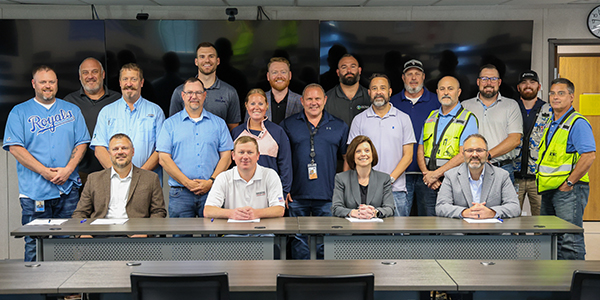
Building a 500-acre, multi-building data center campus in Kansas City, Missouri, takes more than skilled workers - it takes a shared commitment to safety. Through a partnership with J.E. Dunn Construction, Global Earthworks Underground, and their sub-contractors, OSHA is helping make safety part of every step of the project. The goal of the partnership agreement is to minimize injuries and illnesses, and to prevent fatalities during the construction project. To achieve this goal, the contractors:
- held trench stand-down events
- ensure that every employee has completed a 10-hour OSHA Construction training course and every foreman and superintendent has completed a 30-hour training course.
- have daily toolbox talks on topics such as fall protection, heat illness prevention, trench and excavation safety, and suicide prevention.
- developed a training lab to demonstrate potential jobsite hazards and train workers how to perform job tasks safely before attempting them.
The collaboration is a good example of when employers, workers, and OSHA work together, everyone has a role in creating safer and healthier workplaces.
PROTECTING WORKERS RIGHTS
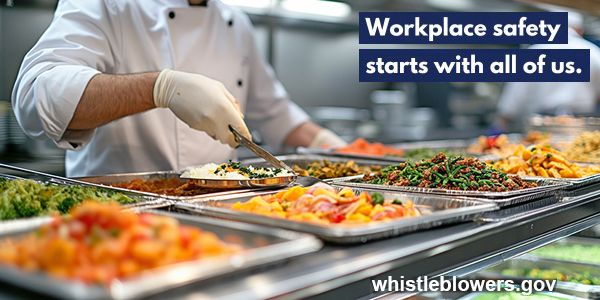
I told my manager at the convenience store where I worked that I thought the food we served was being left out too long after it was cooked. When my manager didn't listen, I called the health department and was fired the same day inspectors came and confirmed my concerns, explained a worker to an OSHA whistleblower investigator. OSHA found that the employer's actions violated the Food Safety Modernization Act. As a result, a settlement was reached and the employer paid the employee for lost wages between being fired and starting a new job.
This case is a reminder that workplace safety is a shared responsibility – both employers and workers play a crucial role, and it's essential for everyone to speak up when safety concerns arise.
Learn more about 50 years of whistleblower protections on our website. If you have a concern that you have been retaliated against by your employer for legally protected actions, you may file a complaint.
WORKPLACE SAFETY MILESTONES
We conclude our feature on important events in OSHA's history that have shaped worker safety in America.
During OSHA's fifth decade in the 2010s, OSHA helped protect workers performing response and cleanup activities in the aftermath of the catastrophic Deepwater Horizon explosion and oil spill. We issued standards for silica dust, cranes, confined spaces, and the classification and labeling of work-related chemicals. To address the number one cause of worker fatalities in the construction industry, we launched our fall prevention campaign.
Explore OSHA's 50th Anniversary webpage to learn more about how the agency has helped shape workplace safety and visit the OSHA Freedom 250 webpage to see how that work continues today.
HOT OFF THE PRESS
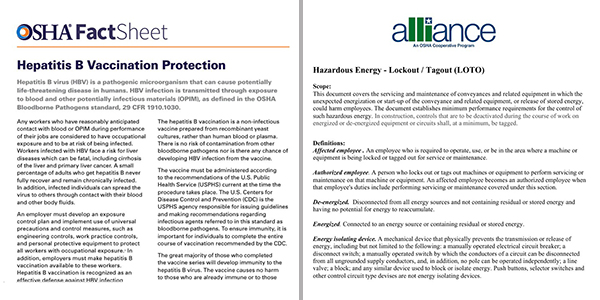
Access to clear, reliable safety information is essential for building safe workplaces. Below are two recent publications that put important workplace safety information in the hands of people who need it.
- Hepatitis B Vaccination Protection Fact Sheet (English and Español)
- Best Practices: Hazardous Energy – Lockout/Tagout in Elevator Servicing and Maintenance (This publication was created through our Alliance with the Elevator Industry Safety Partners.)
YOU ASK…WE ANSWER
❓ I was told by my supervisor at a part-time retail job that I cannot go to the bathroom during my five-hour shift, especially when we are busy. Is this OK?
🗣️ Under OSHA sanitation standards, employers cannot impose unreasonable restrictions on bathroom access and must allow workers to use facilities when needed. Being denied access, especially during a five-hour shift, violates these federal rules.
While there are no federal laws specifying the exact number or duration of breaks, OSHA requires that access be "prompt" and that any employer restrictions be reasonable. See our restrooms and sanitation webpage for more information.
WHAT'S TRENDING
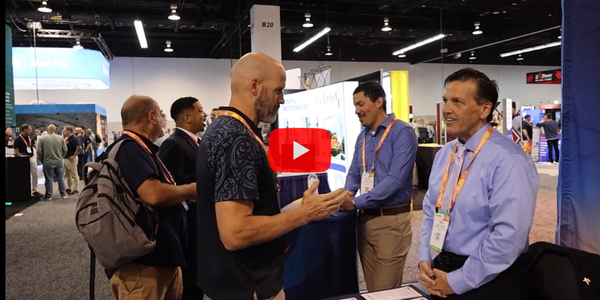
If you weren't at the ASSP Safety 26 Conference and Expo, here's what you missed in under 60 seconds. At OSHA, our goal isn't to catch people doing something wrong - we want to help them get it right. That's the driving force behind our new agency-wide initiative, OSHA CARES. It was great connecting with fellow safety innovators who are helping businesses meet federal standards and be proactive about risk prevention.
We appreciate your commitment to remain informed about what affects the safety and health of America's workers.
You can also read this issue on OSHA's website at osha.gov/quicktakes/070926.


Occupational Safety and Health Administration
200 Constitution Ave. NW, Washington, DC 20210
202-693-1999
You can unsubscribe from this list. (We will miss you!)
QuickTakes subscribers occasionally receive DYK? bulletins about a single timely topic, resource or upcoming event.