Web Officers
burt.laura.a1@dol.gov
albrecht.brian@dol.gov
hill.jedd.r@dol.gov
jillings.leeanne@dol.gov

Determining if injuries or illnesses are work-related as a result of an act of violence

OSHA requirements are set by statute, standards and regulations. Our interpretation letters explain these requirements and how they apply to particular circumstances, but they cannot create additional employer obligations. This letter constitutes OSHA's interpretation of the requirements discussed. Note that our enforcement guidance may be affected by changes to OSHA rules. Also, from time to time we update our guidance in response to new information. To keep apprised of such developments, you can consult OSHA's website at https://www.osha.gov.

May 17, 2023

Mr. Travis W. Vance
Fisher & Phillips LLP
227 West Trade Street
STE 2020
Charlotte, N.C. 28202

Dear Mr. Vance:

Thank you for your letter to the Occupational Safety and Health Administration (OSHA) regarding the recordkeeping regulation contained in 29 CFR Part 1904 – Recording and Reporting Occupational Injuries and Illnesses. Specifically, you request clarification on whether an employee's injury would be considered work-related as a result of an act of violence.
Tuberculosis - Control and Prevention

Tuberculosis - Control and Prevention

Control and Prevention

Effective strategies for controlling and preventing worker exposure to TB bacteria depend on the risk of exposure and the work tasks performed. Appropriate precautions are critical to protect high-risk workers exposed to TB. Solutions that may be helpful in preventing TB are early identification, isolation, and treatment of people with TB.

Tuberculosis - Background

Tuberculosis - Background

Background

Some workers are at risk for exposure to TB bacteria, including healthcare workers, correctional and detention facility workers, homeless service center workers, workers who travel internationally, workers who live or work in shared housing, workers who interact with people from countries with high rates of TB, and workers that work around or handle elephants.

Valley Fever (Coccidioidomycosis) - Standards

Standards

.safety-health-topics.valley-fever{background-size:cover !important; }

There is no specific OSHA Standard for Valley Fever. However, the General Duty Clause, Section 5(a)(1) of the Occupational Safety and Health (OSH) Act of 1970, 29 USC 654(a)(1) requires employers to furnish each worker "employment and a place of employment which are free from recognized hazards that are causing or are likely to cause death or serious physical harm".

Valley Fever (Coccidioidomycosis) - Control Prevention

Valley Fever (Coccidioidomycosis) - Control Prevention

.safety-health-topics.valley-fever{background-size:cover !important; }

Control and Prevention

Effective strategies for controlling and preventing worker exposure to Valley Fever depend on the risk of exposure and the work tasks performed. Appropriate precautions are critical to protect high-risk workers in endemic areas. There is no vaccine for Valley Fever, but employers can take steps to minimize the risk of acquiring an infection.

Valley Fever (Coccidioidomycosis) - Background

Valley Fever (Coccidioidomycosis) - Background

.safety-health-topics.valley-fever{background-size:cover !important; }

Background

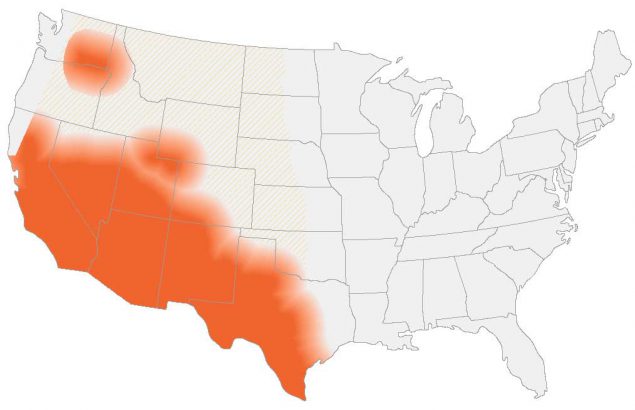
Valley Fever (Coccidioidomycosis) is an illness caused by the soil fungus Coccidioides that lives and grows in the Western United States. There were approximately 17,500 (reported) infections diagnosed in the US in 2022, with the greatest number diagnosed in California and Arizona.