


QuickTakes Newsletter
September 08, 2026
STRIVING TOWARD SAFETY EXCELLENCE

Meeting new people, hearing fresh ideas, and getting feedback, are always a highlight at conferences. This year's VPPPA Safety+ Symposium offered many opportunities to listen and learn.
OSHA Assistant Secretary David Keeling delivered a keynote address that updated attendees on OSHA's priorities, current initiatives, and VPP's significant impact on workplace safety and health.
Keeling shared the work OSHA is doing to strengthen and modernize our Voluntary Protection Programs.
Key updates include:
- Expanding VPP's Safety and Health Management System from four to seven elements, consistent with OSHA's current Recommended Practices.
- Modernizing cooperative recognition programs to reflect current best practices while preserving the collaboration of employees at every level in identifying hazards, finding solutions and improving safety practices.
- Recognizing long-term VPP excellence with the VPP Elite for sites who have maintained VPP excellence for more than 15 years. VPP Emeritus recognizes sites that have maintained VPP status for more than 25 years.
"These programs recognize something worth celebrating - sustained commitment to workplace safety and health," Keeling said before unveiling the new, modernized VPP logo.
SAFETY AT EVERY LEVEL

What happens when employees are empowered to own workplace safety? Hear from leaders and employees at truck suspension manufacturer Hendrickson International about how participating in OSHA’s Voluntary Protection Programs benefited the company and helped transform their safety culture.
GET YOUR PASSPORT TO SAFETY

Prevention leads to safer and healthier workplaces. Sharing knowledge and creating broader awareness are essential tools needed to avoid injuries and illnesses.
Each month, you are invited to join our Passport to Safety and Health virtual meetings. We will take you on a journey across OSHA's regions as we explore safety and health topics that impact workers every day.
In conjunction with September being Suicide Prevention Month, the series takes off on Sept. 22 with a presentation on preventing suicides in the workplace, hosted by OSHA's Boston Regional Office in partnership with the American Foundation for Suicide Prevention. Tragically, suicide continues to be a leading cause of death in the United States, including in the workplace.
OSHA cares that everyone goes home safe and healthy at the end of every shift. The workplace is an important setting for promoting awareness, recognizing early warning signs, and connecting individuals who need help. Visit the webinar page to learn more and reserve your spot.
DATES TO REMEMBER

September: Suicide Prevention Month
September 11-18: NSC Safety Congress and Expo
September 14-18: Construction Suicide Prevention Week
September 15-18: Annual NUCA Safety & Damage Prevention Conference
September 16: Confronting Suicide in the Construction Industry (hosted by NUCA)
September 21-25: Farm Safety and Health Week
September 22: Passport to Safety: An Introduction to Suicide Prevention in the Workplace
Do you have a public safety and health event, training, or webinar that you'd like to have featured in QuickTakes? Please share event information with us including the date, time, location, and a short description.
BE A LIFELINE

The construction industry has one of the highest suicide rates of any occupation. Suicide deeply impacts workers, families, and communities. Fortunately, like other workplace fatalities, they can be prevented.
Learn how you can participate in Construction Suicide Prevention Week (September 14-18). Visit our Preventing Suicides in Construction webpage for more resources.
Suicide Prevention in Construction
5 Things You Should Know
- Be Aware: Notice when someone you work closely with acts differently.
- Pay Attention: Know the warning signs, such as changes in behavior, mood, social media posts, or what they say.
- Reach Out: Ask privately and listen without judgment.
- Take Action: Stay with someone in crisis and get help. Call or text the 988 Lifeline or contact emergency services.
- Learn More:
- Suicide & Crisis Lifeline at 988
- American Foundation for Suicide Prevention: www.afsp.org
- Construction Industry Alliance for Suicide Prevention: www.preventconstructionsuicide.com
BETTER TOGETHER

A Pennsylvania gluten-free bakery partnered with the state's On-Site Consultation Program to help improve its workplace safety culture. Through this collaboration, the women-owned company established a formal safety committee that gives all employees a voice. Better Batter also integrated safety training into their new-hire orientation, began conducting regular self-audits, and built a comprehensive hazard communication program.
Their efforts, hard work and elimination of injuries resulted in their acceptance into OSHA's Safety and Health Achievement Recognition Program, SHARP, which acknowledges small and medium-sized businesses that use our consultation services and operate exemplary workplace safety and health programs.
Our On-Site Consultation Program offers no-cost, confidential consultations for small and midsize businesses. Consultants from state agencies and universities can help employers identify and address hazards and establish or improve safety and health programs. Find and book a consultant near you.
SPEAKING OUT FOR SAFETY

In this video, a railroad worker shares his story of being fired after calling a safety stand-down when a nearby lightning strike endangered his life and that of his coworkers. After the employee filed a whistleblower complaint with OSHA, investigators ordered the company to remove any mention of the incident from the employee's work records. The company was also ordered to pay more than $300,000 for lost wages and benefits, damages, and attorney's fees.
This case is a reminder that workers have the right to raise safety concerns without fear of retaliation. Speaking up about unsafe conditions can help prevent serious incidents. If you believe you were retaliated against for raising a safety concern or exercising other protected rights, you can file a whistleblower complaint with OSHA.
YOU ASK…WE ANSWER

❓ The only drinking water my boss provides at work is from a bathroom faucet. Is this ok?
🗣️ For most general industry workplaces, OSHA's sanitation standard says potable water must be provided in all places of employment for drinking, washing, and other hygiene purposes.
"Potable" means water that's safe to drink and that meets drinking water standards set by the state or local health authority, or by the EPA's national drinking water regulations. The water itself doesn't have to come from a fountain or bottle. It can be tap water. But OSHA's standard requires that drinking water be dispensed in a sanitary way, and a bathroom sink doesn't meet this qualification. A drinking fountain is a water outlet specifically intended for drinking, and a bathroom sink doesn't meet OSHA's standard, as inconsistent water quality can expose workers to contaminants.
The underlying idea of the standard is that the water source has to be set up and maintained specifically for drinking/hygiene purposes, and a proper tap, fountain, cooler, bottled water, or covered container with single-use cups meets this rule. And the water has to be free and reasonably accessible to employees during the workday.
MINUTE WITH MARLIS
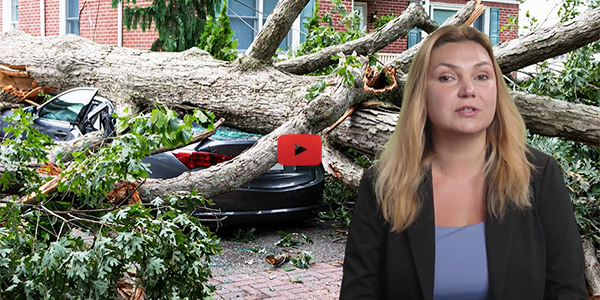
Have a minute? Watch this short video to learn about making an emergency plan that will keep workers safe during and after a hurricane. You can also visit our website for more information.
Missed a minute? Visit our video webpage to watch all the episodes in this series.
WHAT'S TRENDING
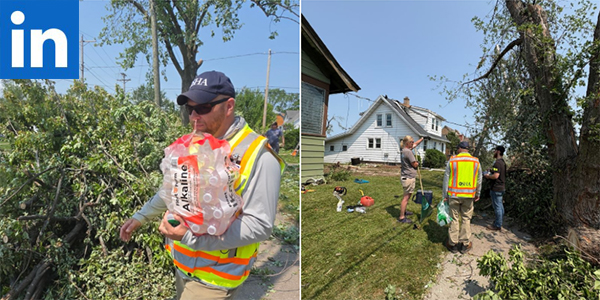
After a devastating EF-3 tornado struck Wisconsin's Fox Valley, OSHA compliance assistance teams were on the ground supporting recovery operations and helping protect those working to rebuild.
In two days, OSHA conducted 24 site visits, reached more than 450 workers and volunteers, shared safety resources, helped identify and address serious hazards, and worked with local emergency management partners to support a safe recovery.
September is National Preparedness Month. Planning ahead plays a vital role in helping employers and workers know what to do, where to go, and what equipment they need to stay safe when an emergency occurs. Visit our Emergency Preparedness and Response page to learn more.
We appreciate your commitment to remain informed about what affects the safety and health of America's workers.
You can also read this issue on OSHA's website at osha.gov/quicktakes/090826


Occupational Safety and Health Administration
200 Constitution Ave. NW, Washington, DC 20210
202-693-1999
You can unsubscribe from this list. (We will miss you!)
QuickTakes subscribers occasionally receive DYK? bulletins about a single timely topic, resource or upcoming event.