


QuickTakes Newsletter
January 14, 2026
SAFETY IS GOOD BUSINESS
As the new year begins, employers who make a resolution to commit to strengthening workplace safety are not only protecting their workers – they are also investing in the long-term health of their business. Learn more in this business case for safety and health on our website. The financial impact of workplace injuries can be significant. Every week, employers pay more than an estimated $1 billion for direct workers' compensation costs for disabling, non-fatal workplace injuries according to Liberty Mutual’s 2025 Workplace Safety Index. The National Safety Council estimated that work-related fatalities and injuries cost the nation, employers, and individuals nearly $1.2 trillion in 2022.
The good news? Employers that invest in effective safety and health programs may reduce injuries and illnesses, and reduce the costs associated with them. In many cases, safety improvements can also lead to greater productivity and profitability. OSHA resources show how occupational injuries and illnesses can impact a company's profitability. Businesses can also use agency tools to compare their safety record with industry peers and estimate the cost of specific injuries.
These resources demonstrate the value of proactive safety and health practices that keep employees safe while reducing financial risk – making it clear that workplace safety isn’t just a compliance issue, it’s a smart business decision.
UPCOMING EVENTS

February 1: Employers must post their 300A summary of injuries and illnesses recorded in 2025 at your workplace until April 30, where it will be visible to all employees.
March 2: The deadline for covered employers to submit calendar year 2025 injury and illness data through the Injury Tracking Application (ITA).
Save the Date: Workers Memorial Day Ceremony to be held on April 23, 2026.
Do you have a public safety and health event, training or webinar that you'd like to have featured in QuickTakes. Please let us know with a date, time, location, and short description.
COLD WEATHER SAFETY
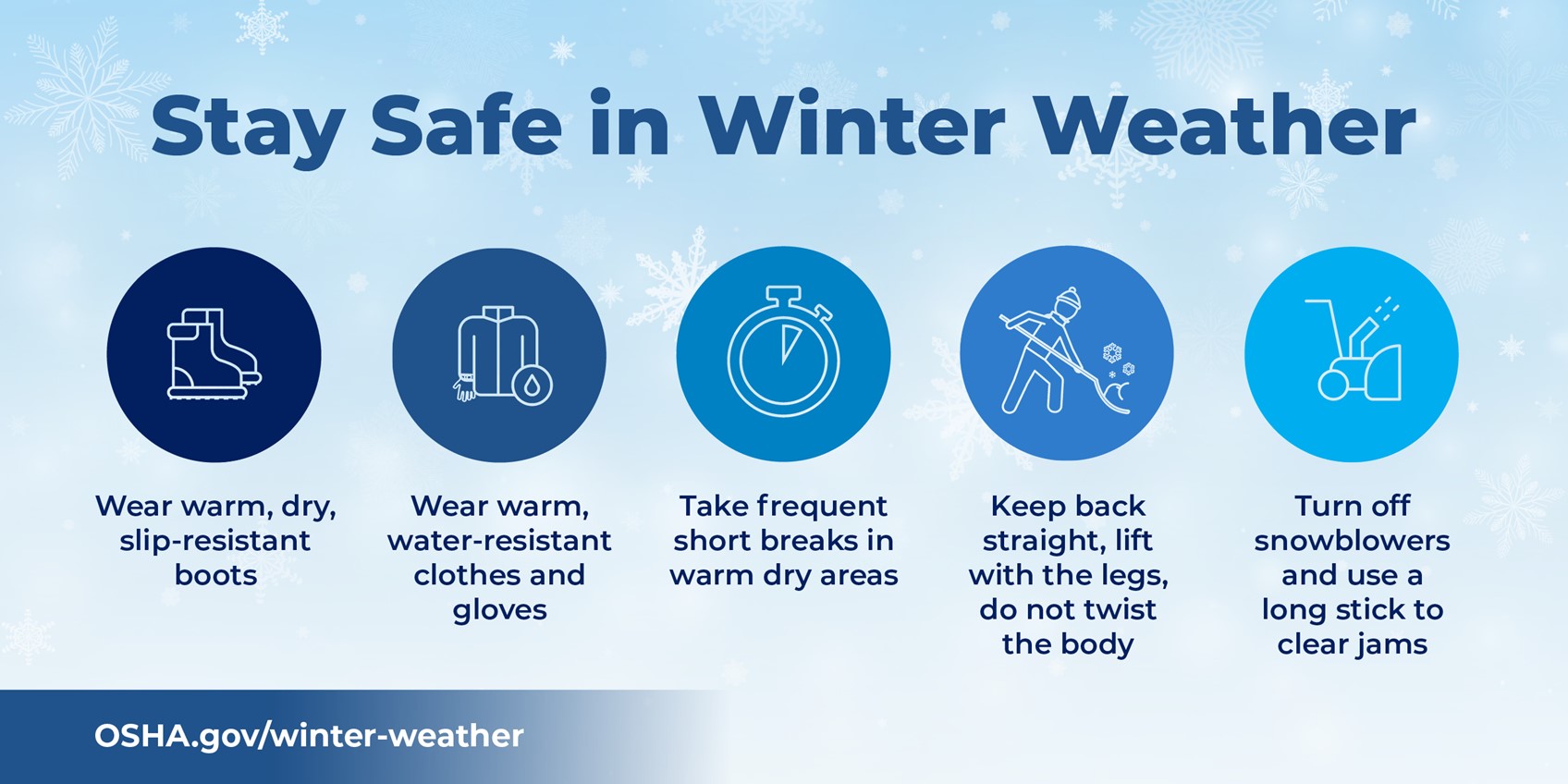
Stay safe in winter weather
Wear warm, dry, slip-resistant boots
Wear warm, water-resistant clothes and gloves
Take frequent short breaks in warm dry areas
Keep back straight, lift with legs, do not twist the body
Turn off snowblowers and use a long stick to clear jams
PROTECTING WORKERS IN TRENCHES
A Connecticut concrete and earthwork contractor faces more than $1.2 million in proposed penalties after being cited for 11 safety violations related to cave-in and excavation hazards. A 2025 follow-up inspection – conducted after a fatal workplace incident in 2023 – found that Sound Construction continued to expose workers to potentially fatal trenching and excavation hazards by failing to give safety training, provide protection from cave-ins, require daily excavation inspections, follow trench shield installation standards, and backfill shields to prevent hazardous movement.
When trench operations are done safely, workers can go home at the end of the day. With OSHA resources and guidance, employers have the tools they need to protect lives and prevent tragedies before they happen. Read more in the news release.
SAFETY SUPPORT ON SITE
Recently, OSHA joined the National Utility Contractors Association Dig This! podcast to highlight its On-Site Consultation Program, a free and confidential resource that helps small and medium-sized businesses improve workplace safety. Yemi Farquah-Alemoh from OSHA’s Office of Small Business Assistance and Kevin Obarr, North Carolina Consultation Program Manager, discussed how the program works, what employers can expect from a worksite visit, and how it differs from OSHA enforcement.
More than 21,000 employers used the program last year to strengthen their safety and health practices. Listen to the episode to learn how this no-cost resource can help improve safety at your jobsite.
SAFETY AT EVERY LEVEL

OSHA’s goal in setting and enforcing occupational health and safety standards is not to penalize employers but to prevent workplace injuries, illnesses and fatalities to ensure every worker returns home safe. We are here to help employers meet that goal every day by providing practical guidance tailored to their industries and workplaces.
Our compliance assistance specialists offer general information about OSHA resources and how to comply with OSHA standards, and are available for seminars, workshops, and speaking events. They also promote and help implement OSHA's cooperative programs, including the Voluntary Protection Programs, the Strategic Partnership Program, and the Alliance Program. In fiscal year 2024, Compliance Assistance Specialists and other field staff conducted nearly 7,800 outreach activities reaching more than 2.3 million people. Contact your local compliance assistance specialist to learn more about how you can strengthen your safety and health efforts.
BUILDING COMMUNITIES
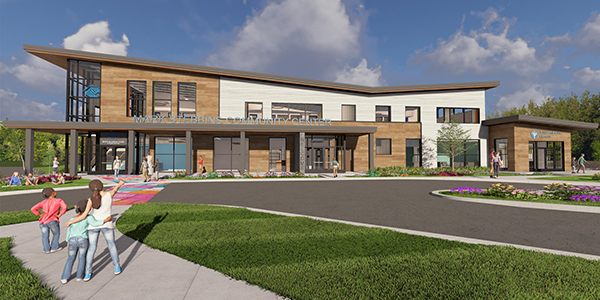
OSHA and Harvey Construction Corp. signed a strategic partnership to promote worker safety and health during construction of the Mark Stebbins Community Center in Manchester, New Hampshire. Participants will focus on identifying and preventing common hazards on large-scale construction projects, such as falls and being struck by or caught in materials or equipment. The initiative will also help contractors implement safety and health programs and provide training to employees, employers and supervisors. The project consists of the construction of the Community Center for Boys and Girls Club of Manchester with a multipurpose gym and the Amoskeag Health Medical Clinic that will offer outpatient services in Manchester.
YOU ASK...WE ANSWER

❓ How should I enter establishment data in OSHA’s Injury Tracking Application (ITA) for remote workers?
🗣️ If the injury or illness of a remote worker occurs at one of your establishments, you must record it on the OSHA 300 Log of the establishment at which the incident occurred. If the employee is injured or becomes ill and is not at one of your establishments, you must record the case on the OSHA 300 Log at the establishment at which the employee normally works.
WHAT’S TRENDING
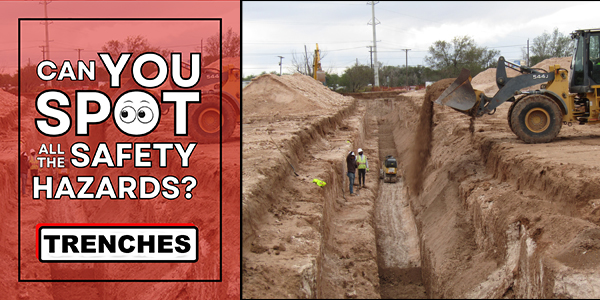
What trenching hazards can you spot? We will identify them in the next issue.
Answer to last issue’s question:
TRUE or FALSE: Pre-existing health conditions such as hypertension, hypothyroidism, and diabetes are risk factors for cold stress.
TRUE - pre-existing conditions such as hypertension, hypothyroidism, and diabetes are increased risk factors for cold stress.


Occupational Safety and Health Administration
200 Constitution Ave. NW, Washington, DC 20210
202-693-1999
You can unsubscribe from this list. (We will miss you!)
QuickTakes subscribers occasionally receive DYK? bulletins about a single timely topic, resource or upcoming event.