


QuickTakes Newsletter
May 07, 2026
REFLECTING ON WORKERS MEMORIAL DAY
By Tonya Ford, OSHA National Family Liaison
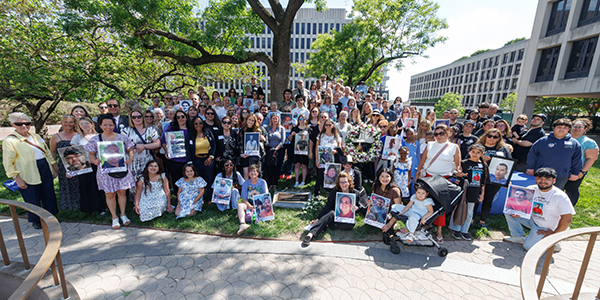
In the days leading up to Workers Memorial Day on April 28 each year, I had the privilege of welcoming more than 140 family members of fallen workers to Department of Labor headquarters in Washington, D.C., to honor the memory of those who tragically suffered fatal injuries or illnesses on the job.
Throughout the week, these families shared their stories with leadership from OSHA and the Mine Safety and Health Administration – stories filled with grief, resilience, and unwavering support. Together, we gathered for a memorial ceremony, wreath laying, and candlelight vigil to not only honor and remember the lives lost because of workplace incidents, but also to stand with those left behind – the families, friends, coworkers, and communities who continue to carry the weight of that loss every single day.
That is why our focus must be on action. The best way to honor those lost lives is to do more to protect workers who still face daily hazards on the job and ensure that each one of them returns home safe and healthy at the end of their workday. This year, we hosted three days of safety training – both in person and online — to raise awareness about common and often deadly workplace hazards and how to prevent them.
We closed the week with a panel discussion of family members who not only shared their losses and the lasting effects on their lives, but they also emphasized that no family should have to endure the same pain.
Every face, every name, and every empty seat at a dinner table, graduation, or wedding should serve as a reminder for employers and workers across the country – as it does for all of us at OSHA – to make workplace safety not just our responsibility, but also our mission.
You can watch videos of the week’s ceremonies, panel discussion, and online training sessions on our Workers Memorial Day webpage.
TAKING A STAND TO PREVENT FALLS
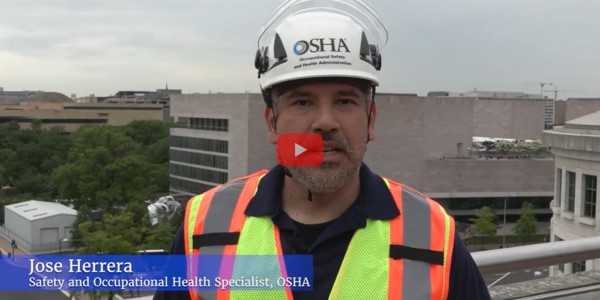
Falls remain the leading cause of fatalities in construction. The latest data shows that falls accounted for 389 of the 1,034 construction fatalities (according to the Bureau of Labor Statistics). Those tragedies could have been prevented. This week marks the National Safety Stand-Down to Prevent Falls in Construction, when employers take a break from usual work activities to talk directly to employees about fall hazards and emphasize the importance of fall prevention. Take a moment to join the effort. Visit our website to learn more about the Stand-Down and how to protect workers from falls every day of the year.
MENTAL HEALTH MATTERS
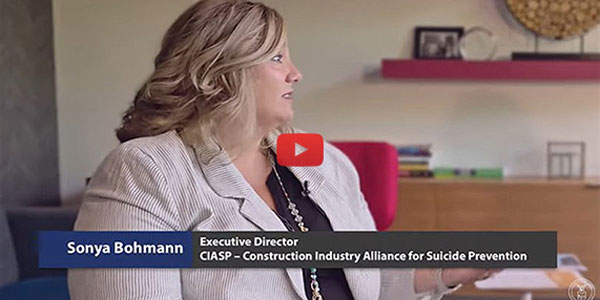
During Mental Health Awareness Month, we're reminding everyone that protecting psychological health in the workplace is just as important as addressing physical hazards. Workers are constantly dealing with stress on and off the job, and sometimes it can affect safety, performance, and overall well-being. Stress can also take a toll on physical health, including increasing the risk of heart disease.
However, workplaces can be a key place for resources, solutions, and activities designed to improve our mental health and well-being. In the video above, representatives from OSHA's Construction Industry Alliance for Suicide Prevention and Associated Builders Contractors discuss mental health stigma and how workplaces can better support their teams.
OSHA also has resources to help address workplace stress and suicide prevention. Additional information and resources are available on the Department of Labor's Mental Health at Work page, and the Mental Health page of the Department's Office of Disability Employment Programs
DATES TO REMEMBER
May: Mental Health Awareness Month
May 4-8: National Safety Stand-Down to Prevent Falls
May 6-7: Protecting America’s Workforce Forum
May 8: Top Three Things to Know About Working on Roofs Webinar
June 15-19: 2026 Trench Safety Stand Down
Do you have a public safety and health event, training, or webinar that you’d like to have featured in QuickTakes? Please share event information with us including the date, time, location, and a short description.
SUPPORT MENTAL WELL-BEING
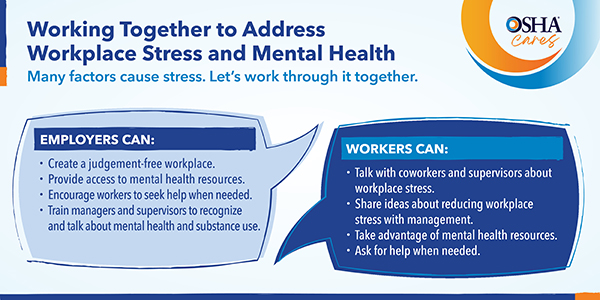
Working Together to Address Workplace Stress and Mental Health
Many factors cause stress. Let’s work through it together.
Employers can:
Create a judgement-free workplace.
Provide access to mental health resources.
Encourage workers to seek help when needed.
Train managers and supervisors to recognize and talk about mental health and substance use.
Workers can:
Talk with coworkers and supervisors about workplace stress.
Share ideas about reducing workplace stress with management.
Take advantage of mental health resources.
Ask for help when needed.
PROTECTING YOUR RIGHTS
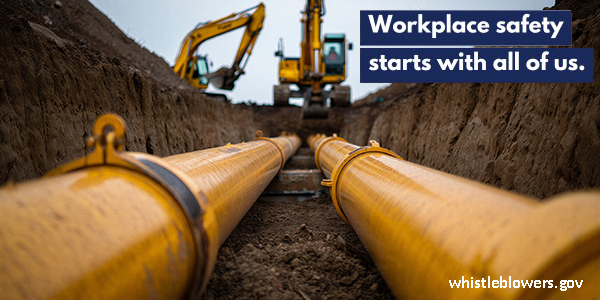
OSHA ordered a New Mexico-based inspection company to reinstate and compensate a worker who was fired after halting the installation of a natural gas pipeline in Oklahoma that was being performed without following federal safety regulations. Our investigation found that the termination violated the Pipeline Safety Improvement Act, which protects employees from retaliation for reporting violations of federal laws related to pipeline safety and security. Read the news release for more information.
The Pipeline Safety Improvement Act is one of 25 whistleblower statutes enforced by OSHA to protect employees from retaliation for reporting violations of certain federal laws. To learn more about whistleblower protections, visit OSHA's Whistleblower Protection Program webpage.
SAFETY AT EVERY LEVEL
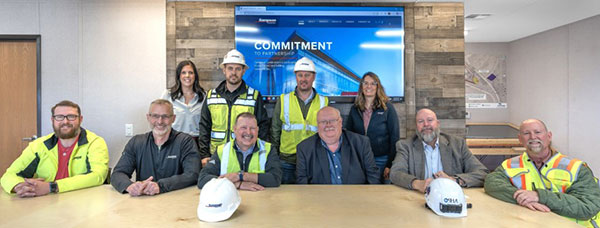
By Casey Lenners, Safety Director, Sampson Construction Co., Inc.
At Sampson Construction, safety is a responsibility that starts with planning and continues through every phase of construction. Our partnership with OSHA and the Nebraska On-Site Safety & Health Consultation Program on the WarHorse Casino Phase 3 project reflects our commitment to proactive collaboration and continuous improvement.
As the WarHorse Lincoln expansion moves forward, adding significant, new, and renovated space, this partnership allows us to identify potential risks early, strengthen safe work practices, and engage our trade partners and field teams in meaningful, open conversations about safety. Through regular site walk-throughs, hazard assessments, and ongoing training, we're reinforcing the expectation that everyone on site looks out for one another and goes home safe at the end of each day.
Collaborations like this are critical to delivering successful projects. By working closely with OSHA and state consultation resources, we're building a stronger safety culture that benefits our employees, our partners, and the entire project team.
WORKPLACE SAFETY MILESTONES
As we approach the celebration of the 250th anniversary of our nation's founding, we continue to feature important events in OSHA's history that have shaped worker safety in America.
During OSHA's second decade in the 1980s, the U.S. Supreme Court issued a landmark decision affirming that workers have the right to refuse unsafe tasks. OSHA also issued standards to give workers the right to know about chemical exposures and require employers to provide worker medical and exposure records. The 1980s also saw the launch of the Voluntary Protection Programs, new standards on safety testing and certification of workplace equipment, and important worker protections for combustible grain dust, trenching, noise, and hazardous energy.
Explore OSHA's 50th Anniversary webpage to learn more about how the agency has helped shape workplace safety and how that work continues today.
YOU ASK...WE ANSWER
❓ If I'm working on scaffolding, do I still need to wear a harness, or are guardrails enough?
🗣️ It depends on the type of scaffolding and the situation. Under OSHA regulations (29 CFR 1926.451), most supported scaffolds that are 10 feet or more above a lower level must have guardrail systems, which are often sufficient for fall protection. However, in some cases – such as suspended scaffolds or when guardrails are not adequate – you are also required to use a personal fall arrest system (harness and lifeline). Follow the specific requirements for the scaffold type and ensure proper protection is in place.
Visit our website to learn more about scaffolding safety. You can also find information on how OSHA standards on scaffolding apply in specific situations on our Letters of Interpretation page.
WHAT’S TRENDING
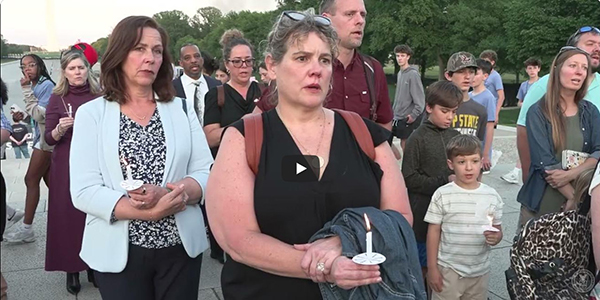
Have a minute? Watch this short video to hear about the ceremonies and safety trainings held in honor of Workers Memorial Day. You can also visit our website for more information.
We appreciate your commitment to keeping informed about that affect the safety and health of America's workers.


Occupational Safety and Health Administration
200 Constitution Ave. NW, Washington, DC 20210
202-693-1999
You can unsubscribe from this list. (We will miss you!)
QuickTakes subscribers occasionally receive DYK? bulletins about a single timely topic, resource or upcoming event.