


Success Stories
Success stories from OSHA's On-Site Consultation Program and Safety and Health Achievement Recognition Program (SHARP) recognize both the important work of On-Site Consultation and small business employers who operate exemplary safety and health programs. On-Site Consultation and SHARP are voluntary programs. To submit a request for a comprehensive consultation, see OSHA's Consultation Directory.
Authorized representatives from SHARP companies who would like to share their story of workplace safety and health may do so by working with their On-Site Consultant. To locate the On-Site Consultation program nearest you, see OSHA's Consultation Directory.
Featured Success Stories
Past Success Stories
Pioneer's Commitment to Safe and Innovative Building Facades: SHARP Program Success
- In 2026, Pioneer invited MOSH Consultation Services to conduct an annual facility audit, marking the first year the company achieved recognition through the SHARP program.
- As a result of their efforts, Pioneer’s shop has become a safer place to work.

Mixing Excellence with Safety: Achieving SHARP at Better Batter
- Better Batter Gluten Free Flour, LLC is a woman-owned and founded producer of allergy-friendly baking mixes and flour blends
- In 2026, Better Batter proudly achieved SHARP status for the first time.

Turning Up the Focus on Heat Safety: Delaware Partnerships Drive Awareness and Prevention
- The governor issued a proclamation designating May 18-22nd Delaware’s first Heat Awareness Week.
- Learn more: University of Delaware, Delaware Heat Awareness Week

Driving Safety Forward: IDIDIT’s Journey to SHARP
- Strengthened Safety Culture.
- IDIDIT achieved SHARP status on December 2, 2025.

From Awareness to Action: CONN-OSHA Advances Lithium-Ion Battery Safety on Jobsites
- Created a safety toolbox talk and training presentation and distributed it to general contractors and their subcontractors.
- Professional Drywall Construction, Inc., used this material to begin implementing on-site lithium-ion battery safety training.

Leading With Safety: Water Distributor’s Ongoing SHARP Success Through Consultation
- Team EJP has achieved SHARP status since 2009.
- Employees are empowered with the authority to get safety issues resolved.

Crash Champions Drives Safety Excellence with Support from Nevada SCATS
- Leading collision repair company with more than 650 locations.
- The success of these efforts prompted Crash Champions to implement these improvements at locations nationwide.

California Consultation Services Branch Ramps Up Indoor and Outdoor Heat Illness Prevention
- In 2025, Cal/OSHA Consultation conducted 1,195 visits where they educated 46,149 employees on heat hazards.
- Cal/OSHA supports employers and employees all year round with materials available on their website.

Quick Thinking Prevents a Chemical Emergency at Missouri Social Services Facility
- Missouri consultant uncovered a potentially life-threatening situation.
- In recognition of these lifesaving actions, the consultant received the 2025 Missouri State Team Member Award of Distinction.
Building a Stronger Safety Culture with On-Site Consultation
- Began working with consultation in 2023 and received SHARP recognition in 2024 and 2025.
- SHARP continues to help Alfred Miller maintain high safety standards.
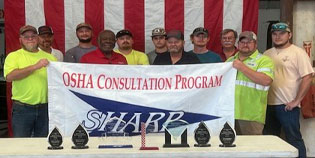
HELM Fertilizer Recognized for Outstanding Workplace Safety
- Maintained SHARP status since 2020.
- Shares best practices with other companies.
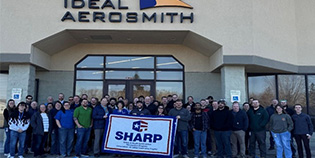
Ideal Aerosmith Reaches New Heights with SHARP Status
- Worked with ND On-Site Consultation Program (NDOSH) since 2023.
- Achieved SHARP status in 2025.
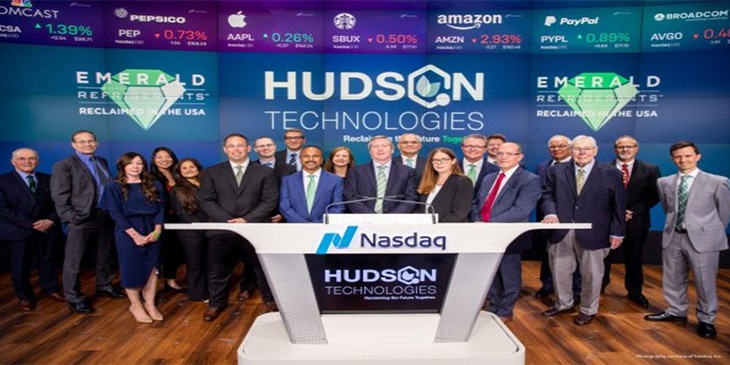
Building a Better Safety Culture with the SHES Program
- Hudson Technologies, Inc. has been working with SHES since 2021
- Improved efficiency in the Smyrna, GA location
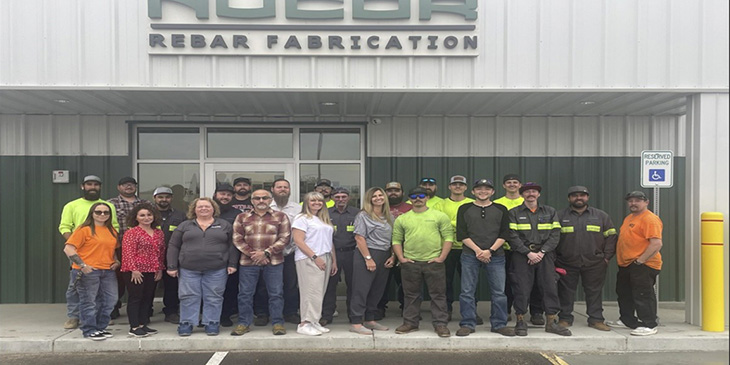
Nucor Steel Reinforces Their SHARP Status
- Company's number one core value is "we work safe"
- Received most recent SHARP in 2025
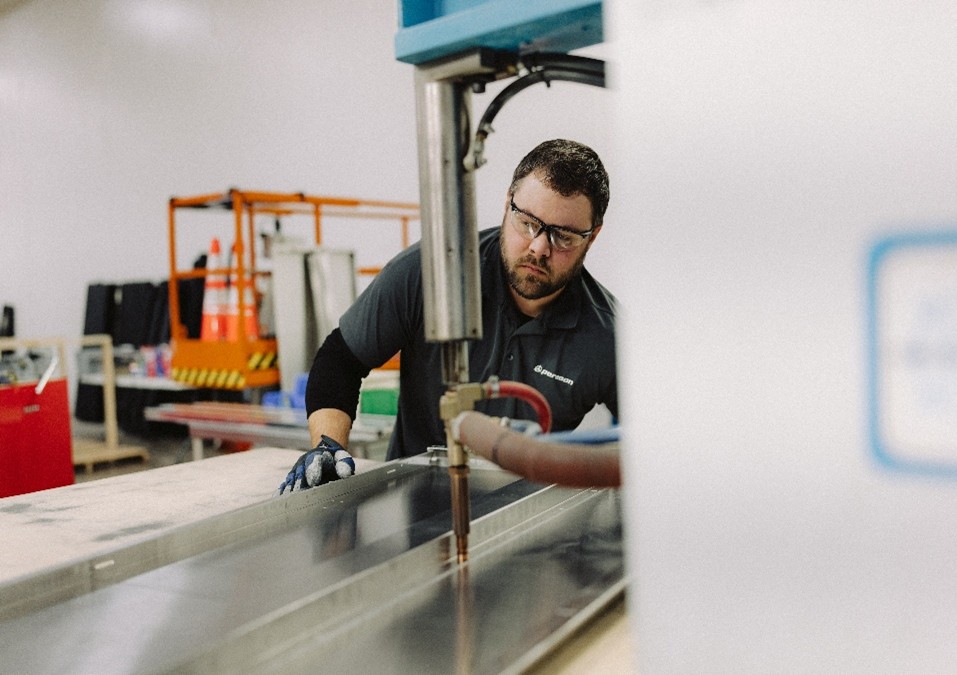
Wisconsin Manufacturer Achieves SHARP Status for Third Time
- Peragon Enterprises first obtained SHARP in 2020
- Has collaborated with WISCON since 2016
