| <<< Back to OSHA Small Business |
|
|
|
|
| OSHA Benefits for Small Business | |
|
|
|
|
Penalty Reductions OSHA considers the size of the employer, among other factors when determining the penalty to be proposed for any violation. The Agency has always had detailed procedures in place for making this determination; they are currently in the OSHA Field Operations Manual (FOM) (OSHA Instruction CPL 02-00-148 [PDF - 2.7 MB]), which is conveyed to and followed by all compliance staff. The FOM provides that proposed penalties will be reduced by the following percentages in considering employer size:
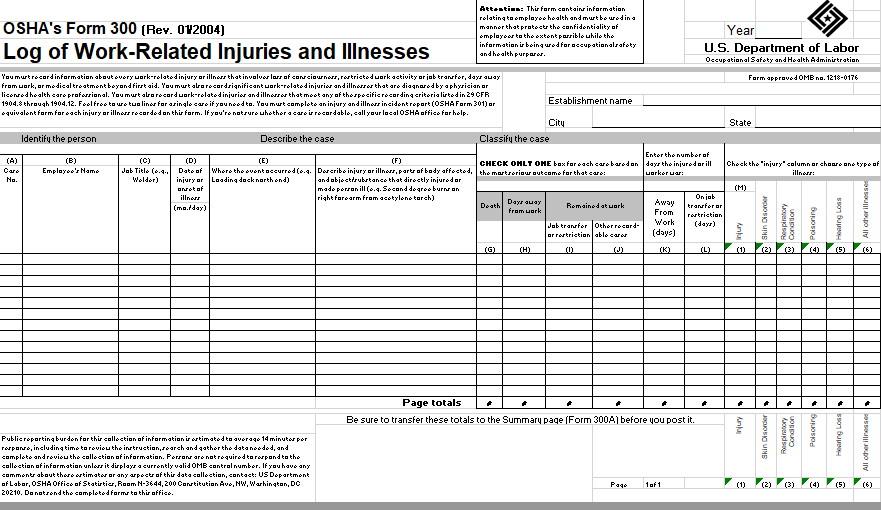
OSHA also has fewer recordkeeping requirements for very small business. Employers with 10 or fewer employees are exempt from most OSHA recordkeeping requirements for recording and reporting occupational injuries and illnesses. Consultation Consultation offers free help in identifying workplace hazards and establishing or improving safety and health management systems corporate-wide. Employers in high-hazard industries or involved in hazardous operations receive priority. Largely funded by OSHA, consultation programs are run by state agencies and offer an array of services. Key Services offered by Consultation:
An effective workplace safety and health management system at a small business worksite(s) will enable the small employer to:
An increased understanding of workplace hazards and remedies will put small business managers in a better position to:
Through SHARP, the On-site Consultation Program recognizes exemplary employers who take special pride in providing a safe and healthful working environment for their employees and who meet specific program criteria. Employers who qualify receive a 1-year exemption from OSHA’s general schedule inspections. After 1 year of certification, the small employer may request renewal for 1 or 2 years, provided the site meets specific program criteria. Voluntary Protection Programs (VPP) The Voluntary Protection Programs (VPP) promote effective worksite-based safety and health. In the VPP, management, labor, and OSHA establish cooperative relationships at workplaces that have implemented a comprehensive safety and health management system. Approval into VPP is OSHA's official recognition of the outstanding efforts of employers and employees who have achieved exemplary occupational safety and health. Compliance Assistance Specialists (CAS) Each OSHA Area Office in states under federal jurisdiction has a Compliance Assistance Specialist. These staffers respond to requests for help from a variety of groups, including small businesses. CAS’s put on seminars and workshops for small businesses and other groups. They promote OSHA’s cooperative programs, OSHA’s training resources, and the OSHA web site. Alliance Program OSHA Alliances are the agency's newest form of cooperative programs. Alliances enable organizations committed to reducing workplace injuries and illnesses to collaborate with OSHA to reach out to, educate, and lead the nation's employers and their employees in improving and advancing workplace safety and health. Compliance assistance resources produced by various Alliances benefit small businesses. For example, OSHA’s Alliance with the Tree Care Industry Association will produce training materials and promote OSHA’s compliance assistance resources for tree care companies, many of which are small businesses. OSHA Small Business Handbook The OSHA Small Business Handbook is one of OSHA's most requested publications. The handbook assists small business employers in meeting the legal requirements imposed by the OSH Act of 1970 and in creating and maintaining effective safety and health management systems. Recent revisions to the handbook incorporated comments and suggestions from small business employers and small business trade organizations from across the country, and it now includes new and improved industry checklists. The updated handbook is available on the OSHA Web page at OSHA Small Business Handbook [PDF - 261 KB] or in hard copy from OSHA's Publications Office at 1-800-321-OSHA. Training and Education Third-Party Training and Education -- OSHA gives training and education grants to various non-profit groups to develop programs to help small businesses establish safety and health programs and materials that they make available to small businesses OSHA’s Training Institute (OTI) and OSHA’s Training Education Centers across the country provide basic and advanced courses in safety and health. OSHA’s area offices offer information services, such as audiovisual aids, technical advice, and speakers for special engagements. In addition, the Training Centers have begun offering one-day or one-half-day seminars to increase opportunities for small business employers to attend safety/health training. Susan Harwood Training Grants Program – Training and educational programs for small businesses is a priority for the grants program. The program has funded Small Business Development Centers. Electronic Tools and Resources OSHA standards, interpretations, directives, interactive software, compliance assistance materials, e-Tools, and additional information are available or can be ordered online. OSHA’s computer-based training software provides assistance to small employers through its Expert Advisors and eTool software on topics such as hazard communication, asbestos, cadmium, confined spaces, fire safety, and lead in construction. eTools are "stand-alone," interactive, Web-based training tools on occupational safety and health topics. They are highly illustrated and utilize graphical menus. Some also use expert system modules, which enable the user to answer questions, and receive reliable advice on how OSHA regulations apply to their work site. Publications OSHA has many published materials, including specific topics for small businesses, that are available or can be ordered online. Accessibility Assistance: Contact the OSHA Directorate of Cooperative and State Programs at 202-693-2200 for assistance accessing PDF materials. |
|

RSS Feeds
Print This Page
Text Size