|
Content Last Reviewed: 06/02/2010
Young Workers
Frequently Asked Questions
1. At what age and what hours can youth work?
Answer: Under the Fair Labor Standards Act (FLSA):
If you are working at a restaurant, grocery store, office or in another non-agricultural job and you are:
- 18 years or older, you may work for
unlimited hours.
- 16 or 17 years old, you may work for
unlimited hours.
- 14 and 15 years old, you cannot work more
than 3 hours a day on school days, including Fridays; more than 18 hours per
week in school weeks; more than 8 hours a day on non-school days; or
more than 40 hours per week when school is not in session. See the Fair Labor Standards Act (FLSA) for additional restrictions.
State labor laws
If you are working in a agricultural job and you are:
- 16 years or older, you may work for
unlimited hours.
- 14 or 15 years old, you may work only when school is not in session.
- 12 or 13 years old, you may work only when school is not in session.
- younger than 12 years old, you may work only when school is not in session. See the Fair Labor Standards Act (FLSA) for additional restrictions.
State labor laws applicable to agricultural employment
2. What jobs can teens legally do?
Knowing which jobs you can or cannot perform depending on your age is important.
If you are:
- 18 years or older, you may perform any job, whether hazardous or not.
- 16 or 17 years old, you may perform any non-hazardous job.
- 14 and 15 years old, you may perform various non-manufacturing, non-mining, non-hazardous jobs.

|
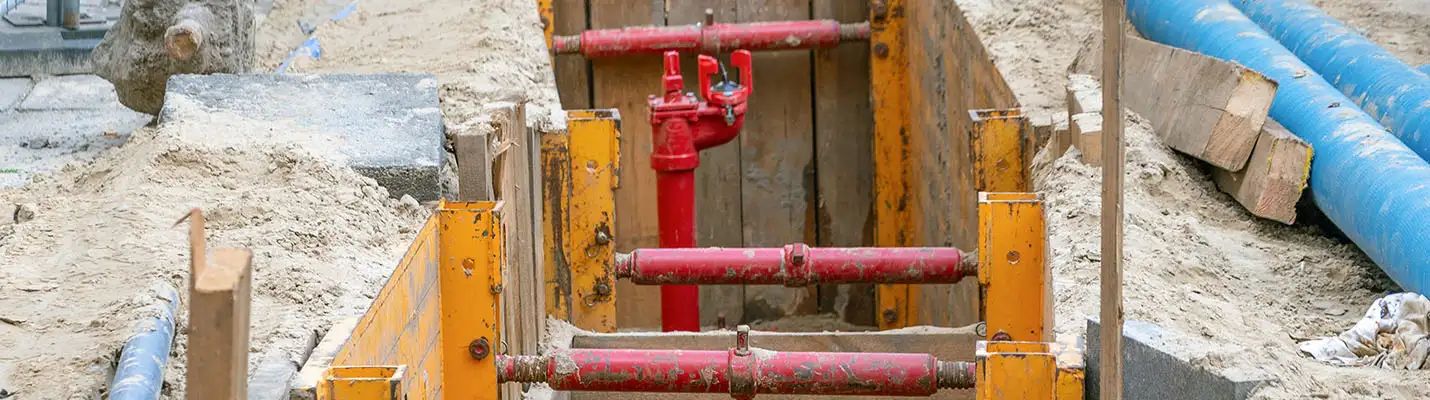
Federal law does prohibit young workers under 18 years of age from working in any occupation that the Fair Labor Standards Act (FLSA) deems to be hazardous. Among these occupations are excavation, manufacturing explosives, mining, and operating many types of power-driven equipment. Child labor laws may also vary from state to state. |
State labor laws
3. Do teens need a work permit to get a job?
Answer: The FLSA does not require that youth get work permits or working papers to get a job. Some states do require work permits before getting a job. Youth may ask their school counselors if a work permit is needed before getting a job.
4. What is the federal minimum wage for youth workers?
Answer: The federal minimum wage provisions are contained in the Fair Labor Standards Act (FLSA). The federal minimum wage is $7.25 per hour. However, a special minimum wage of $4.25 per hour applies to young workers under the age of 20 during their first 90 consecutive calendar days of employment with an employer. After 90 consecutive days of employment, or when the worker reaches age 20 (whichever comes first), the worker must receive the current minimum wage of $7.25 per hour effective July 24, 2009; $6.55 per hour effective July 24, 2008; and $5.85 per hour effective July 24, 2007.
Other programs that allow for payment of less than the full federal minimum wage apply to workers with disabilities, full-time students, and student-learners. These programs are not limited to the employment of young workers.
Where federal and state laws have different minimum wage rates, the higher standard applies.
5. I receive tips. Can my employer pay me less than the required minimum wage?
Answer: Yes, if you receive tips, your employer can pay you less than the minimum wage in some states, how much less varies from state to state. The Fair Labor Standards Act (FLSA) requires a minimum cash wage of $2.13 for tipped employees.
6. What is the Fair Labor Standards Act (FLSA)?
Answer: The FLSA is a law enforced by the (Wage and Hour Division (WHD)) of the U. S. Department of Labor. The Fair Labor Standards Act (FLSA) establishes minimum wage, overtime pay, recordkeeping, and child labor standards affecting full-time and part-time workers in the private sector and in federal, state, and local governments.
7. If my state child labor laws are different than the federal child labor laws which will apply?
Answer: Every state has laws specifically dealing with child labor issues. When federal and state standards are different, the rules that provide the most protection to youth workers will apply. Employers must comply with both federal law and applicable state laws.
8. Am I entitled to rest breaks or lunch breaks at work?
Answer: The FLSA does not require breaks or meal periods be given to workers. Some states may have requirements for breaks or meal periods. If you work in a state that does not require breaks or meal periods, these benefits are a matter of agreement between the employer and the employee (or the employee's representative).
9. I am being harassed at work, what can I do?
Answer: Report it to your supervisor or boss. An employer is responsible for taking immediate and corrective action in harassment and hostile environment situations related to anti-discrimination laws. If your boss does nothing, tell a parent, teacher, or other adult or report it to the U.S. Equal Employment Opportunity Commission.
10. What other laws does the Department of Labor (DOL) administer and enforce?
Answer: Besides the laws administered by the Employment Standards Administration and the Occupational Health Administration, 24 other agencies of the Department of Labor (DOL) administer and enforce more than 180 federal laws. These mandates and the regulations that implement them cover many workplace activities for about 10 million employers and 125 million workers. They support DOL's mission.
|
|