Young Workers Employers Parents Educators
Young Workers
Content Last Reviewed: 06/02/2010

Educators

Do you teach young workers? As an educator, there are several ways that you can help protect young workers!
  • Be informed. If you are responsible for signing work permits, know Federal and State child labor laws for your area.

    sun

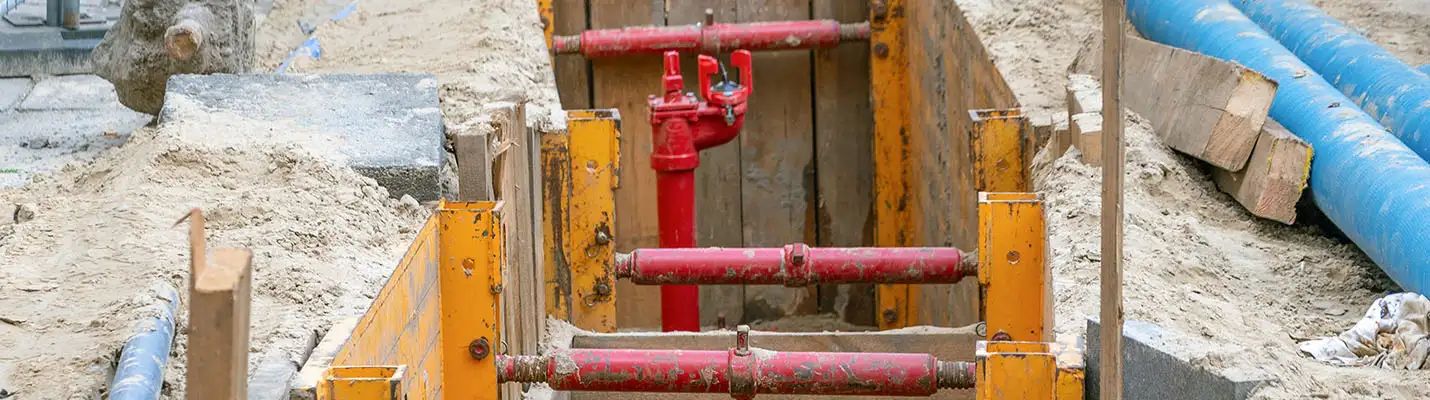
    Federal law does prohibit young workers under 18 years of age from working in any occupation that the Fair Labor Standards Act (FLSA) deems to be hazardous. Among these occupations are excavation, manufacturing explosives, mining, and operating many types of power-driven equipment. Child labor laws may also vary from state to state.

    Have in place a centralized work permit system. Use mechanisms (like computerized records) to review previous permits and keep track of young workers. This limits students from getting multiple jobs from different sources that together may exceed the number of allowable hours.
  • Understand your role as an educator. You have an important opportunity to teach students skills and provide safety and health training necessary to help them succeed and be safe at work. Educators can help student workers build a safety consciousness from their first job forward.

  • Teach young workers their rights and provide safety information. Consider incorporating information about workers' rights and occupational safety and health hazards into high school and junior high curriculum. This includes vocational as well as general education. By integrating health and safety training into your existing program, you provide your students with knowledge that they can use throughout their career. The training you provide may also be the only training they get before they are a part of the workforce.

    • NIOSH Youth@Work Talking Safety Curriculum. Provides curriculum in occupational safety and health that can be used in classroom or other group training settings. The curriculum has been customized for each state and Puerto Rico to address state-specific rules and regulations, and includes instructions for teachers and a step-by-step guide for presenting the material.
    • The Work Safe Work Smart curriculum was developed by public health professionals in collaboration with Minnesota teachers to explore occupational health and safety issues with high school students in an effort to reduce injury rates of young workers.
    • The Young Workers Resource Materials section of this website contains educations materials to provide young workers more information about workplace safety and health.

  • Ensure that school-based work experience programs are within federal and state guidelines. These experiences should also provide information about workers' rights and training in hazard recognition and safe work practices.

Contact the Department of Labor OSHA at 1-800-321-6742 or the Wage and Hour Division at 1-866-487-9243 if you need additional assistance.