


Woodworking eTool
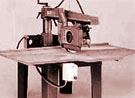
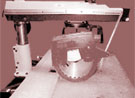
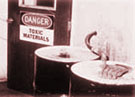
Woodworking operations can be very dangerous, particularly when workers use machines improperly or without proper safeguards. Machine guarding violations of the Occupational Safety and Health Administration (OSHA) standards Title 29 Code of Federal Regulations (CFR) 1910.212(a)(1) and 1910.212(a)(3)(ii) have recently topped the list of citations issued during OSHA inspections. Improperly or inadequately guarded woodworking machines can lead to the following injuries: laceration, amputation, severed fingers, and blindness. Wood dust and the chemicals used for finishing products are health hazards to wood workers and may cause skin and respiratory diseases.
To help provide a safe and healthful workplace, this eTool* describes the principal hazards and possible solutions for woodworking. This eTool is not a substitute for OSHA standards related to woodworking, but can help clarify the regulatory language and technical information covered in those standards. "Shall" and "must" are used in this eTool to indicate when a control device or other safeguard is required by OSHA; "should" is used to indicate recommended safe work practices. For more comprehensive information, consult the General Industry Standards, 29 CFR, Part 1910. Specific OSHA standards for woodworking are also listed in the Additional References section of this eTool.

See OSHA's Workers' Rights page for more information on rights and protections.
Disclaimer
eTools are "stand-alone," interactive, web-based training tools on occupational safety and health topics. They are highly illustrated and utilize graphical menus. As indicated in the disclaimer, eTools do not create new OSHA requirements.