


Sawmills eTool
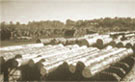
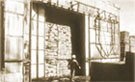
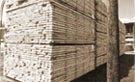
Working in a sawmill is one of the most dangerous occupations in the United States. Massive weights and falling, rolling, or sliding logs can be very dangerous. Sawmill equipment also can be hazardous, particularly when workers use machines improperly or without proper safeguards. Lacerations, severed fingers, and blindness are some of the injuries that may occur. Wood dust and chemicals used for finishing products may cause skin and respiratory diseases.
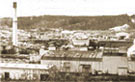
Sawmill hazards are even more dangerous in light of environmental conditions, such as uneven, unstable or rough terrain, inclement weather or isolated work sites where health care facilities are not immediately accessible.

See OSHA's Workers' Rights page for more information on rights and protections.
Disclaimer
eTools are "stand-alone", interactive, Web-based training tools on occupational safety and health topics. They are highly illustrated and utilize graphical menus as well as expert system modules. These modules enable the user to answer questions, and receive reliable advice on how OSHA regulations apply to their work site. As indicated in the disclaimer, eTools do not create new OSHA requirements.