


Success Stories
Success stories from OSHA's On-Site Consultation Program and Safety and Health Achievement Recognition Program (SHARP) recognize both the important work of On-Site Consultation and small business employers who operate exemplary safety and health programs. On-Site Consultation and SHARP are voluntary programs. To submit a request for a comprehensive consultation, see OSHA's Consultation Directory.
Authorized representatives from SHARP companies who would like to share their story of workplace safety and health may do so by working with their On-Site Consultant. To locate the On-Site Consultation program nearest you, see OSHA's Consultation Directory.
Featured Success Stories
Archived Success Stories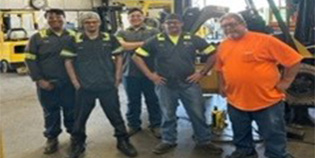
SCATS Keeps the Papé Group SHARP
- Partnership with SCATS improved employee engagement and safety culture.
- Several locations have received SHARP.
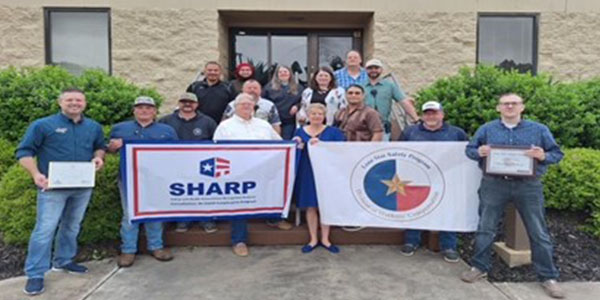
Artisan Meat Producer Partners with OSHCON to Enhance Safety Culture
- Partnered with OSCHON starting in 2020.
- First PSM facility in the state of Texas to achieve SHARP.
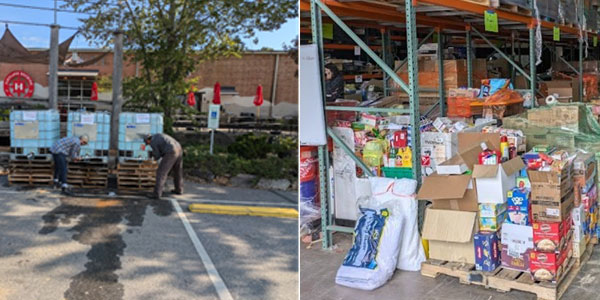
Local Brewery Takes Safety into the Community
- SHARP company helps the greater community after Hurricane Helene.
- The spirit of safety and health on the job extended to the community and continued to help the recovery.
UA Safe State Provides Heat Illness Prevention Training
- UA Safe State 21(d) team engaged with employers, generating awareness of OSHA consultation and OSHA resources.
- UA Safe State offers personal real-time monitoring of workers’ biometrics in hot environments.
Louisiana OSHA Consultation Builds a Strong Future with Lumber Processing Company
- Collaboration with consultation helped Great Southern Wood-LA make significant strides in enhancing safety programs.
- The company plans on working with consultation in the future.
A Family-Owned Business Partners with Illinois On-Site Consultation to Develop Cost-Effective Operational Solution
- On-Site Consultation played a crucial role in improving the safe and healthy work environment.
- "It is great that a government agency is helping small businesses like ours and many other."- company official
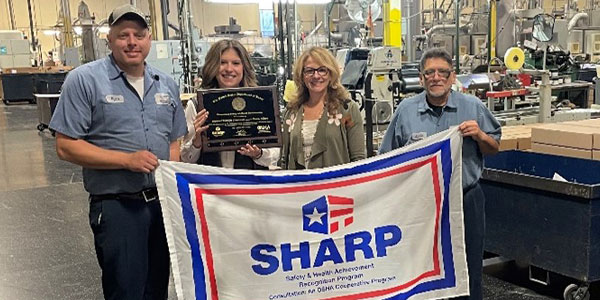
OSHA SHARP Status: Pushing the Envelope in Workplace Safety Excellence
- Diamond Envelope Corporation achieved SHARP status in 2024.
- SHARP has reinforced core values and proven that a strong safety culture is achievable and sustainable.
Drilling Company Successfully Reduces Employee's Exposure to Respirable Crystalline Silica at a Construction Site
- CONN-OSHA found high exposures to crystalline silica.
- The employer implemented engineering controls to reduce exposures.
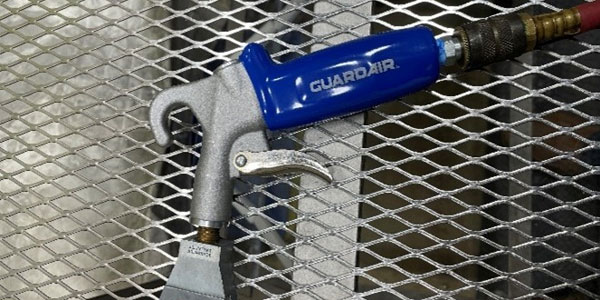
Michigan On-Site Consultation helps Employer Protect Workers from Hazardous Noise
- Noise levels were at or above the eight-hour time-weighted average (TWA8) of 85 dBA, which could seriously harm human hearing.
- The company has benefited from MIOSHA guidance and expertise.
