


Machine Guarding eTool
Machine Guarding
Employee exposure to unguarded or inadequately guarded machines is prevalent in many workplaces. Consequently, workers who operate and maintain machinery suffer approximately 18,000 amputations, lacerations, crushing injuries, abrasions, and over 800 deaths per year. Amputation is one of the most severe and crippling types of injuries in the occupational workplace, and often results in permanent disability. This *eTool focuses on recognizing and controlling common amputation hazards associated with the operation and use of certain types of machines.
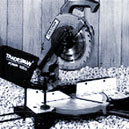 Saws
Saws Presses
 Plastics Machinery
See OSHA's Workers' Rights page for more information on rights and protections.
*eTools are "stand-alone" Web-based training tools on occupational safety and health topics. They provide guidance information for developing a comprehensive safety and health program. Therefore, they include elements that go beyond specific OSHA mandates, such as recommendations for good industry practice. As indicated in the disclaimer, eTools do not create new OSHA requirements.